Natural Language Interfaces
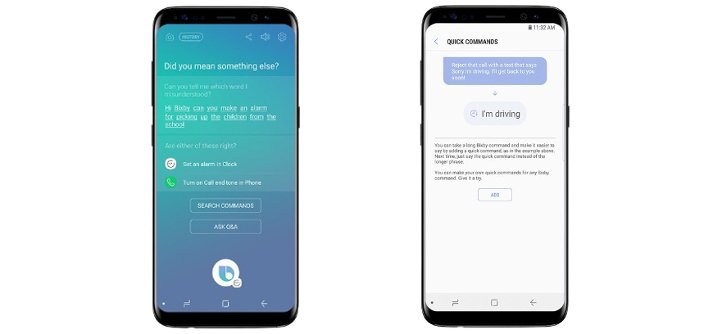
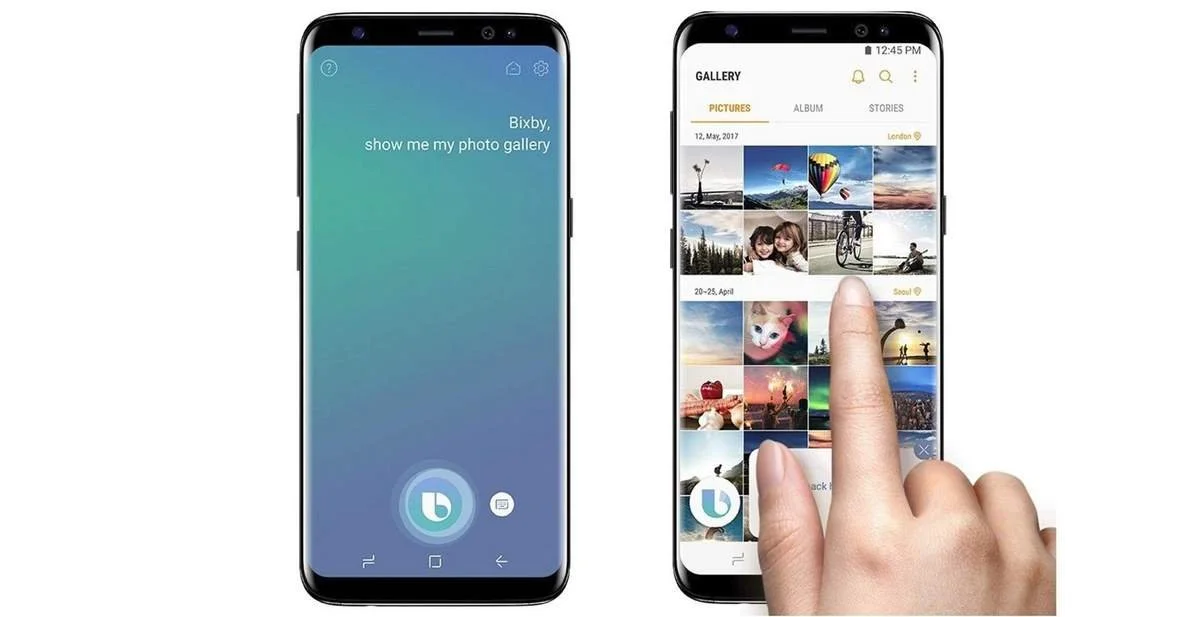
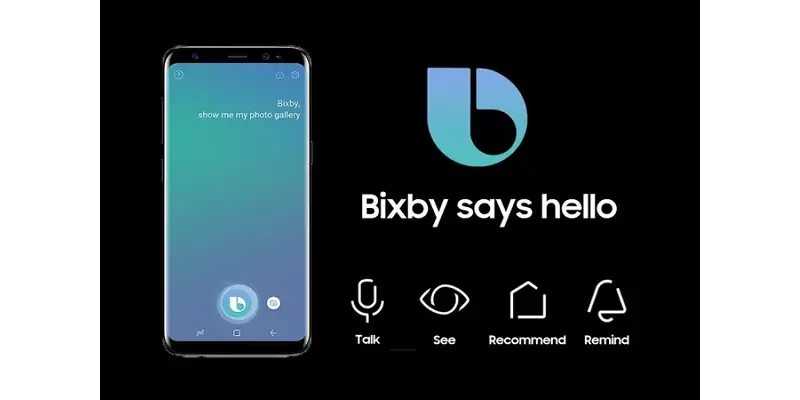
This work focused on natural language interaction design for voice-driven systems, where users speak freely and software must interpret intent rather than rely on rigid syntax. The work supported production voice interfaces surfaced to consumers through platforms such as Samsung Bixby, emphasizing language that could tolerate variation—different phrasings, accents, incomplete commands, and mid-sentence corrections—within natural language understanding frameworks.
Michael Peñate worked closely with engineering and R&D teams to shape how language functioned as system input rather than surface copy. The role involved generating, editing, annotating, and validating large sets of utterances and command variations, ensuring systems could reliably map human expression to technical intent. Rather than optimizing for perfect phrasing, the work prioritized resilience: language that continued to function when users were imprecise, inconsistent, or unpredictable.
This project reflects an enduring approach to language design—treating language not as output to be polished, but as infrastructure that enables machines to understand people under real-world conditions.
Due to the nature of the work, visual artifacts are limited; the primary outcomes were systemic rather than surface-level.